The holidays in Buffalo bring string lights along Elmwood, family gatherings, a packed travel calendar, and a level of “busy” that rarely lets up until January. Somewhere between the shopping lists, the second plate at dinner, and the late nights wrapping gifts, the habits that keep your immune system strong, such as managing stress, eating well, and getting real rest, tend to slide to the bottom of the to-do list.
That is exactly the wrong combination at exactly the wrong time. High stress, richer food, less sleep, and colder weather all show up together, right as cold and flu season peaks here in Western New York. The good news is that a handful of consistent, realistic habits can make a meaningful difference in how your body handles the season. Here is a closer look at how stress, nutrition, and lifestyle choices affect immune function, along with simple steps you can start this week.
How Holiday Stress Weighs Down Your Immune System
A little stress is not necessarily a bad thing. Short bursts of it can sharpen focus and even temporarily prime the immune system. Trouble starts when stress does not let up, which is exactly what the holidays tend to produce: travel logistics, financial pressure, hosting duties, family dynamics, and a schedule with no white space left in it.
Ongoing stress keeps the body’s stress hormone, cortisol, elevated for longer than it should be. Over time, that can dampen the activity of the immune cells responsible for finding and clearing viruses and bacteria. A recent review of stress immunology research, published through the National Institutes of Health, explains that while short-term stress can temporarily strengthen immune defenses, chronic stress dysregulates and suppresses them, leaving the body more vulnerable to illness. That is the physiological reason a stretch of stressful weeks can leave you catching every cold that comes through the office or the family gathering.
The takeaway is not that you need to eliminate holiday stress entirely (that is not realistic for most people). It is that a few intentional breaks in the stress cycle can protect your immune system through the busiest stretch of the year.
Practical Ways to Keep Stress in Check This Season
- Protect one recovery block per day, even 15 minutes, where nothing is scheduled and no one needs anything from you.
- Use slow, deep breathing before high-stress moments, like a family dinner or a crowded store, to calm the nervous system before it escalates.
- Say no to at least one obligation this season. A shorter list, done well, beats a full list done resentfully.
- Move your body daily, even for a short walk. Physical activity is one of the most effective natural ways to burn off stress hormones.
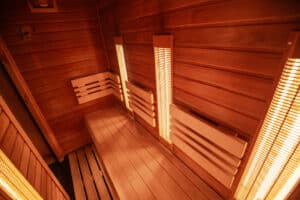
Bodywork is also a legitimate stress-management tool, not just an indulgence. A massage session, whether a Swedish massage for general relaxation or a deep tissue session to work out the tension you might be carrying in your shoulders, is proven to lower cortisol and gives your nervous system a chance to downshift out of fight-or-flight mode. Many clients also find that time in our near-infrared sauna is an easy way to unwind physically while supporting circulation and muscle recovery at the same time.
Eating Well Without Giving Up the Holiday Table
Nobody wants a strict diet plan during the holidays, and the good news is that you do not need one. Nutrition researchers are consistent on this point: no single food or supplement can single-handedly protect you from getting sick. What matters is the overall pattern of what you eat, day after day.
According to the Harvard T.H. Chan School of Public Health’s Nutrition Source, a diet that is varied and rich in whole foods gives the immune system the micronutrients it needs to function well, including vitamin C, vitamin D, zinc, and enough protein to support the growth of immune cells. Diets heavy in ultra-processed food and low in fruits, vegetables, and fiber, on the other hand, are linked to disruption of the gut microbiome, which plays a direct role in regulating inflammation and immune response.
A few realistic ways to apply that at your own holiday table:
- Build your plate around vegetables and protein first, then let yourself enjoy the sides and desserts you actually look forward to.
- Keep a source of fiber, like beans, whole grains, or roasted vegetables, on the table alongside the richer holiday dishes to support gut health.
- Stay ahead of hydration. Travel, alcohol, and dry indoor heat all pull moisture from the body faster than usual in winter.
- Do not aim for perfection between now and New Year’s. Aim for a pattern that is mostly nourishing, with room for meals that make the season feel like the season.
Sleep: Your Immune System’s Overnight Repair Shift
Sleep is where a lot of immune maintenance actually happens. During sleep, the body produces cytokines, proteins that help direct the immune response to infection and inflammation. Chronic short sleep reduces that production, which is part of why the CDC recommends adults get at least seven hours of sleep a night, not just for energy and mood, but for a properly functioning immune system.
The holidays are notoriously hard on sleep: travel across time zones, late parties, stress-driven insomnia, and shorter, darker days all work against a consistent schedule. A few habits help ensure a good night’s rest are: keep a consistent awake time even on weekends, dim screens an hour before bed, and treat sleep as a non-negotiable part of your holiday plan rather than the thing that gets sacrificed when the to-do list runs long.
Buffalo’s short winter days can also throw off your circadian rhythm, the internal clock that governs when you feel alert versus sleepy. Our Sun Box Light Therapy sessions are designed specifically to help support that rhythm when natural daylight is in short supply, which in turn supports more consistent, restorative sleep.
Holistic Habits That Support Immunity All Season Long
Stress management, nutrition, and sleep are the foundations, but a few additional holistic therapies can give your body extra support during a demanding season:
• Infrared sauna sessions promote circulation and help the body clear toxins, while giving you a dedicated 30 minutes of quiet, screen-free downtime. Learn more here.
• PEMF therapy uses gentle electromagnetic pulses to support the body’s natural recovery processes and reduce inflammation, which can be especially helpful if travel and long days on your feet are leaving you sore. See PEMF sessions.
• Alpha-Stim electrotherapy is a well-researched option for easing the physical tension and low mood that often accompany a stressful stretch of weeks. Why Alpha-Stim.
• Colon hydrotherapy supports overall gut health, which, as noted above, is closely tied to a well-functioning immune system.
If you want to combine several of these in one visit, our Quantum Wellness Escape pairs a PEMF session, infrared sauna, and Alpha-Stim session together for a more complete reset.
Frequently Asked Questions
What foods help boost immunity during the holidays?
No single food acts as an immune “switch,” but a varied diet rich in vitamin C, vitamin D, zinc, protein, and fiber gives the immune system the nutrients it needs to function well. Building holiday plates around vegetables, whole grains, and lean protein, alongside the traditional dishes you enjoy, is a realistic way to support immunity without giving up the holiday table.
How does stress weaken the immune system?
Chronic stress keeps cortisol levels elevated for extended periods, which can suppress the activity of immune cells that identify and clear viruses and bacteria. Short-term stress is generally not harmful, but ongoing, unrelieved stress, like the kind many people experience during the holiday season, is linked to a weaker immune response.
Can massage therapy help my immune system?
Massage does not replace medical care, but it is an effective, research-backed way to lower cortisol and ease the physical tension that builds up during stressful periods. Since chronic stress is one of the main ways the immune system gets worn down, regular massage can be a useful part of an overall wellness routine during a demanding season.
How much sleep do I need to stay healthy this winter?
The CDC recommends at least seven hours of sleep per night for adults. During sleep, the body produces cytokines, proteins that help direct the immune system’s response to infection, so consistently short sleep can leave you more vulnerable to getting sick.
Give Yourself the Gift of Wellness This Season
You cannot control every stressor the holidays bring, but you can control how well you support your body through them. Small, consistent choices, like managing stress instead of pushing through it, eating well most of the time, and protecting your sleep, add up to a stronger immune system heading into the new year.
If you would like some extra support this season, our team at both the Kenmore and Tonawanda locations are here to help, whether that is a massage to unwind, an infrared sauna session, or a full wellness plan built around your winter. Schedule your visit today and be sure to ask us about our membership options if you would like ongoing support throughout the season.